

Top 5 Early Warning Signs of Heart Disease Everyone Should Know
You express your exhaustion through the statement that you experienced just a long day, while you disregard your mild chest pain which you attribute to stress and sleep deprivation. What appears to be safe develops into dangerous territory. The incidence of heart disease has increased throughout India because it now affects younger adults who work demanding jobs instead of only impacting older people. The condition becomes hazardous because it advances without detection through its initial stages which display minor symptoms until its critical point. The ability to identify initial warning signs presents a chance to save lives. Your heart remains safe through immediate understanding and minor habit adjustments and through preventive health treatments until your condition requires emergency medical intervention.
What is Heart Disease?
Heart disease occurs when arteries become blocked or narrowed which prevents the heart from pumping blood normally. Imagine your heart’s pathways getting clogged, making it harder to pump oxygen-rich blood throughout the body. An unhealthy lifestyle with high stress levels and smoking habits and poor diet choices and diabetes create the main health risk factors. In India, heart disease is becoming increasingly common due to sedentary routines, fast food habits, rising pollution, and intense work pressure. These factors silently cause heart damage throughout time which makes it necessary to recognize warning signs and adopt healthier habits to sustain heart health for extended periods.
Why Early Warning Signs Should Never Be Ignored
It should also be noted that a heart attack does not have to be preceded by acute manifestations. Silent heart attacks are becoming more common and are prevalent in India. Neglecting such subtle signals from the body can lead to serious consequences and even fatal outcomes. Your body sends important signals; it’s time to listen to them to prevent further deterioration of health and possibly save your life through timely diagnosis and proper treatment.
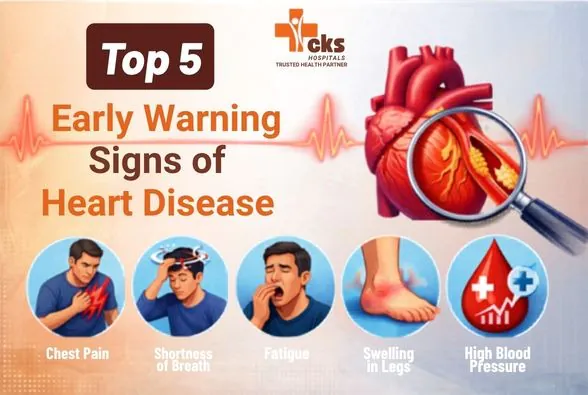
Top 5 Early Warning Signs of Heart Disease
Chest Discomfort or Pain (Angina)
The heart pain feels like heaviness or pressure in the chest area. It differs from gas because it spreads to the arm, jaws, or back. Angina is aggravated by physical stress. Pain that persists, causes intense discomfort, sweating, or breathlessness should be taken seriously.
Shortness of Breath
Breathlessness is another important symptom that should be considered. It is expressed by the inability to breathe freely during routine activities, including at rest. Shortness of breath may not be accompanied by chest pains, which means that you might not even take into account the fact that it’s a sign of a serious illness.
Unusual Fatigue (Especially in Women)
Unusual fatigue among women, which is associated with continuous tiredness without significant exertion or strain, is also a hidden symptom. A sudden energy loss or fatigue even after sufficient rest may suggest a health problem and must not be neglected since this symptom may indicate a serious heart disease.
Pain in Arm, Neck, Jaw, or Back
Pains originating in the chest area might extend to other parts of the body such as the neck, arm, back, or jaw, predominantly the left side. These pains result due to referred pain where there is a common pathway of nerves confusing the brain as to where the pain originates from.
Sweating, Nausea, or Dizziness
Sweating without strenuous exercise or physical exertion accompanied by dizziness may indicate some kind of heart-related complications. Also, nausea and vomiting may be experienced by patients. These symptoms may develop suddenly without prior indication and usually go unnoticed.
Heart Disease Symptoms in Men vs Women
Heart problems have distinctive symptoms for men and women. While men generally display classic heart attack symptoms such as severe chest pains and pressure, women show subtle signs of heart diseases such as unusual fatigue, breathlessness, nausea, and mild discomforts. The difference in symptoms between sexes comes about because of hormonal differences and body composition. Consequently, symptoms are usually ignored and misdiagnosed for women. It is very essential to understand these differences since recognizing early warning symptoms can help detect the problem and ensure appropriate treatment. This will save lives of both men and women.
How to Detect Heart Problems Early
Early diagnosis of any form of cardiac disorders begins with routine measurement of the blood pressure and blood sugar levels since abnormality in these parameters can affect the heart function. Other diagnostic tools such as electrocardiography (ECG), treadmill test (TMT) and various other cardiac tests are important in detecting heart problems in time. Also, one should monitor their lifestyle including dietary habits, physical exercises and amount of sleep as well.
When Should You See a Cardiologist?
Listen to your body because your body warns you before screaming at you! Persistent chest pain, excessive fatigue, breathing difficulty, and unaccountable perspiration should be brought to the notice of cardiologists as soon as possible. Chest pain that is unbearable, shortness of breath, lightheadedness or pain extending to the arm and jaws should immediately call for a doctor. Besides the benefit of correct diagnosis, early consultation can avoid many complications through early intervention and treatment. Paying attention to your body and consulting an expert in time can save your life and ensure a healthy heart in the future.
Tips to Prevent Heart Disease
Healthy choices start with what we do every day in our lives. A healthy diet including plenty of fruits, vegetables, whole grains, less oil, and salt keeps your blood vessels healthy and unobstructed. Exercise, whether it be running, yoga, or gym workout, will keep your heart healthy and active. De-stressing your mind by practicing mindfulness, enjoying hobbies, or other techniques also contributes to heart protection. The last two crucial factors are quitting smoking and drinking less alcohol since they put too much pressure on the heart. Although small changes in lifestyle seem insignificant, it builds a robust defense system against heart disease.
Conclusion
Your heart rarely fails without warning—it sends signals that are often subtle but significant. Early detection of these signs leads to effective health problem prevention. Regular medical examinations together with basic health assessments and health-conscious behavior enable health professionals to identify health issues at their beginning stages. You need to take steps immediately after experiencing your first major health scare. Your heart health demands immediate focus through your body signals and your adoption of better habits and your prompt medical consultations. A little awareness now can protect a lifetime of well-being.
FAQs
Q1. What are the first signs of heart disease?
Some of the common symptoms are chest pains, breathlessness, unusual fatigue, feeling dizzy, or pain in your arm and jaw area. Such symptoms might be minor, but they should not be neglected under any circumstances.
Q2. Can heart disease symptoms appear suddenly?
Yes, heart disease symptoms can appear out of nowhere during a heart attack. But, there are also other symptoms that appear beforehand.
Q3. How do I know if my chest pain is serious?
Chest pain should be considered serious when it causes discomfort and radiates to your arm or jaw, lasts for some time, and is associated with sweating and/or breathlessness.
Q4. Are heart disease symptoms different in women?
The answer is affirmative; women frequently have less pronounced symptoms such as weakness, nausea, shortness of breath, or pain in the back rather than the classic chest pain symptom.
Q5. When should I see a cardiologist?
If you suffer from chest discomfort, shortness of breath, tiredness, dizziness, or if you have any of the following health problems, you should visit a cardiologist: diabetes, high blood pressure, smoking, and heart disease in your family history.