

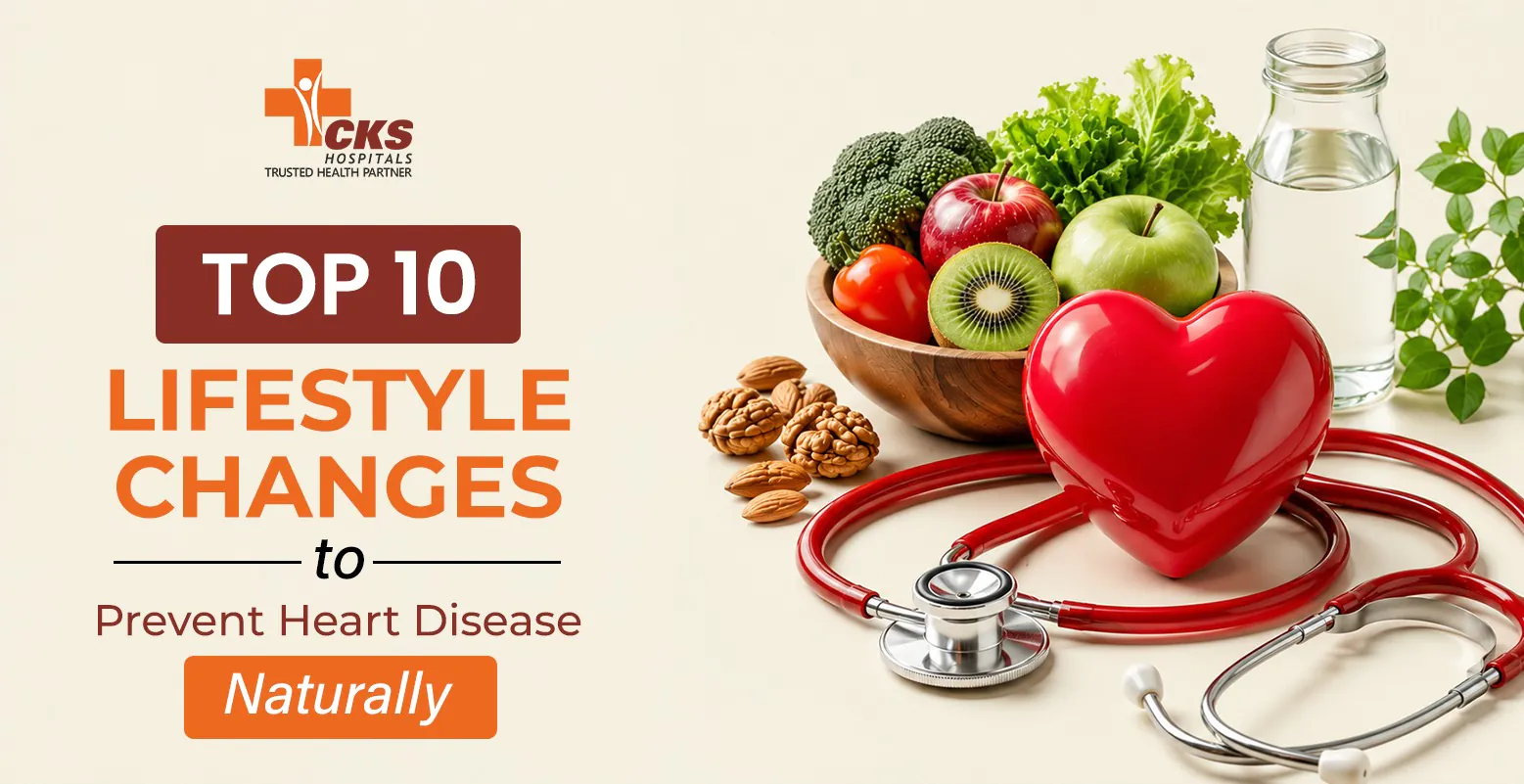
Top 10 Lifestyle Changes to Prevent Heart Disease Naturally
Even though cardiovascular diseases have been reduced, they are still a major cause of death globally. Prevention is always the best remedy, although there are advanced medical interventions available. Natural, intentional lifestyle changes greatly diminish the chances of debilitating heart disease. If you are looking for a personalized path to cardiovascular wellness, you can consult with the cardiologists in Jaipur or the best heart specialists in Jaipur, who can offer valuable insights and guidance.
In this list, I will outline the best 10 lifestyle changes that you can do now to protect your heart naturally.
Table of Contents
- 1. Eat a Heart-Healthy Diet
- Foods That Support Heart Health
- Foods to Avoid
- 2. Exercise Regularly
- 3. Maintain a Healthy Weight
- Tips to Maintain Healthy Weight
- 4. Stop Smoking Completely
- 5. Control Stress Naturally
- 6. Get Proper Sleep Every Night
- 7. Monitor Blood Pressure and Cholesterol
- 8. Limit Alcohol Consumption
- 9. Stay Hydrated
- 10. Visit a Heart Specialist Regularly
- Why Expert Heart Care Matters
- Common Warning Signs
- Importance of Preventive Heart Care
- Benefits of Prevention
- Why Lifestyle Changes Matter More Than Temporary Diets
- Sustainable Healthy Habits Include
- Role of Family Support in Heart Health
- FAQs
1. Eat a Heart-Healthy Diet
The critical element in cardiovascular defense is proper nutrition. The main principle of a healthy heart diet is to eat whole, unprocessed foods that help to prevent the accumulation of arterial plaques and inflammation.
Foods That Support Heart Health
- Leafy Greens: Spinach, kale and collard greens contain vitamin K and nitrates that can help prevent arterial damage and lower blood pressure.
- Berries: Blueberries, strawberries and raspberries are rich in antioxidants such as anthocyanins, which help to combat oxidative stress.
- Omega-3 rich Fatty Fish – salmon, mackerel and sardines are good sources of omega-3 fatty acids which are essential to reduce triglyceride levels.
- Whole Grains: Oats, quinoa, brown rice are made of high fiber and reduce LDL (bad) cholesterol.
Foods to Avoid
- Trans Fats: These are in commercial baked goods, fried foods and margarine and increase bad cholesterol and decrease good cholesterol.
- Too Much Sodium: Over consuming salt can lead to fluid retention, which can greatly raise blood pressure.
- Refined Carbohydrates and Added Sugars: Excessive amounts of sugary drinks and white breads cause blood sugar to rise quickly and contribute to the growth of visceral fat.
2. Exercise Regularly
Like a muscle, the heart needs regular exercise to stay healthy and efficient.
The best exercises for heart health are those that are enjoyable for you.
- Aerobic Exercise: Brisk walking, running, swimming and cycling help to increase blood flow and the heart’s pumping ability.
- Strength Training: Twice weekly session of free weight, resistance bands or body weight training will reduce body fat percentage and help with metabolic health.
- Flexibility and Balance: Yoga and stretching do not directly strengthen the heart muscle, but they reduce musculoskeletal stress, which means that one can perform better and more easily in sport and manage stress better.
3. Maintain a Healthy Weight
Obesity, especially around the waist, puts greater strain on your heart and raises your chances of getting type 2 diabetes.
Tips to Maintain Healthy Weight
- Use smaller plates: Lesson Portion Control, trick the brain into feeling full by eating smaller portions.
- Keep a Food Log: Make it a habit to log what you are eating to uncover hidden calories in sauces, dressings, and snack items.
- Keep Moving: Get 20 minutes of walking activity for each hour of inactivity during “inactive” days.
4. Stop Smoking Completely
Smoking is the worst habit you can have for your blood vessels. Second hand smoke contains chemicals which injure the blood cells and cause changes to the blood vessel structure and function.
There are many benefits to quitting smoking.Quitting smoking has many benefits.
- Immediate Heart Rate Drop: Within just 20 minutes of quitting, your heart rate and blood pressure drop back to normal levels.
- Better Oxygenation: The CO level in your blood returns to normal levels within 12 hours, so your organs get better oxygen.
- Long-Term Risk Reduction: After being a non-smoker for a year, your risk of coronary heart disease is half that of a smoker.
5. Control Stress Naturally
Constantly released hormones such as cortisol and adrenalin, due to chronic mental and emotional stress, keep your heart rate and blood pressure up.
Simple Ways to Reduce Stress
- Mindfulness Meditation: 10 to 15 minutes daily, on your breath, calms your nervous system.
- Time in nature contributes to reduce stress hormones and to be in a clear mind.
- Creative or social activities (laughing with loved ones) produce endorphins – nature’s natural stress relievers.
6. Get Proper Sleep Every Night
The only time your body can repair its cardiovascular system is during sleep. Poor sleep has been associated with the risk of ischemic heart disease.
Here are a few tips for a better sleep.
- Establish a Schedule: Get to bed and get up at the same time every day, including weekends.
- Reduce Screen Time: Shut off use of blue light from the smartphone and TV screens for an hour prior to bedtime to give the melatonin time to form.
- Optimize Your Environment: Make sure your bedroom is cool, dark and very quiet.
7. Monitor Blood Pressure and Cholesterol
Hypertension and hypercholesterolemia are both dangerous conditions because there are no overt symptoms of the disease until it reaches a fairly advanced stage.
Important Health Tests
- Blood Pressure Screening: Must be performed regularly, and should be under 120/80 mmHg.
- Lipid Profile: Determines your total cholesterol, HDL, LDL, and triglycerides.
- HbA1c: Checks average blood sugar over a period of several months, used to predict prediabetes or diabetes.
8. Limit Alcohol Consumption
Although a few studies suggest that low amounts of alcohol may help slightly, too much alcohol can damage the heart muscle (cardiomyopathy).
Healthy Tips
- Know the concept of moderation: One drink a day for women and 2 drinks a day for men.
- Pare Down: Drink red wine, sparingly; skip alcohol altogether for herbal drinks.
9. Stay Hydrated
If you are dehydrated, the amount of blood in your body is reduced. Your heart beats faster and harder to pump blood so the heart pumps it faster and with more pressure to compensate.
Benefits of Drinking Enough Water
- Helps maintain blood viscosity: Does not make the blood viscous, which reduces the work of the cardiac pump.
- Improves Kidney Function: It helps to effectively remove waste products, which in turn contributes to the control of blood pressure.
10. Visit a Heart Specialist Regularly
Clinically screened by an expert so that any underlying, undetected condition is identified early; this is essential for any particular person to do self-care.
Why Expert Heart Care Matters
An ECG, TMT, and an echocardiogram are some of the advanced diagnostic tests that can be conducted by a dedicated heart doctor in Jaipur. Routine exams set a standard of your health to which you can look for signs and symptoms, and you can take preventive, not corrective measures.
Warning Signs You Should Never Ignore
Knowing the warning signs of acute cardiac distress may save a life or the life of someone you love.
Common Warning Signs
- A feeling of discomfort, pressure, squeezing or fullness in the middle of the chest.
- Shortness of breath, or chest discomfort, without and with.
- Neck, jaw, back or arm pain (left arm).
- Sudden cold sweat, dizziness or light-headedness.
Importance of Preventive Heart Care
The safest approach is to make lifestyle changes before any type of cardiovascular event occurs. Preventive care is about keeping diseases at bay by controlling risk factors.
Benefits of Prevention
- Better Quality of Life: No physical restrictions due to chronic heart failure naor stroke recovery.
- Financial Relief: Avoids the financial strain of emergency surgeries, angioplasties and intensive medications that continue throughout life.
Why Lifestyle Changes Matter More Than Temporary Diets
Fad diets and quick, unsustainable exercise programs can be more of a hindrance than a help. A sudden, intense physical effort can overtax an unconditioned cardiovascular system and dieting up and down can adversely affect metabolism. Slow and steady changes create a strong body, with heart health sustained over a lifetime.
Sustainable Healthy Habits Include
- Emphasizing long term dietary habits instead of restricting for the short term.
- Identifying activities you enjoy to help you stay active for a lifetime.
Role of Family Support in Heart Health
It’s a lot easier to maintain a healthy lifestyle when family members are all on board. Making healthy meals as a family, walking as a family and making the home a smoke-free zone establishes a family culture of wellness that helps protect the entire family.
FAQs
- What are the best lifestyle changes to prevent heart disease naturally?
The most effective changes that can be made in nature are: eating more nutritious, low-sodium foods, exercising for 150 minutes per week, quitting smoking, managing mental distress, and getting 7-8 hours of good rest on a nightly basis.
- How much exercise is good for heart health?
The general medical recommendation is to get at least 150 minutes of moderate intensity exercise such as brisk walking or 75 minutes of vigorous exercise each week, plus muscle strengthening exercise two or more days each week.
- Can stress increase the risk of heart disease?
Yes. Chronic stress raises cortisol and adrenaline levels in the body, raising blood pressure, causing inflammation of the arteries, and leading people to unhealthy coping habits such as overeating or smoking.
- When should I visit a Cardiologist in Jaipur?
If you have symptoms such as chest pain, long-term shortness of breath or palpitations, it’s time to see a cardiologist. Also, if you have a family history of heart disease, hypertension or diabetes, you should make an appointment for a preventive consultation.
- Who is considered one of the Best Heart Specialists in Jaipur?
There are a number of world class cardiac centers and experienced medical personnel in Jaipur. Seek out a board-certified cardiologist whose hospital is well-known and is focused on advanced diagnostics and preventive cardiology.
- Is heart disease preventable?
By eating healthy foods, exercising regularly, managing weight and abstaining from tobacco products, up to 80% of heart attacks and strokes can be avoided.
- Does smoking affect heart health?
Absolutely. Smoking injures the lining of your arteries, promotes the buildup of fat deposits in the artery wall (atherosclerosis), increases the risk of blood clots, and greatly increases the likelihood of a sudden heart attack.
- Why is preventive heart care important?
Preventive heart care detects risk factors that can compromise your heart muscle and blood vessels, such as high blood pressure and high blood cholesterol, before it does.